

Firstly, design and develop processing techniques
Before CNC machining, it is necessary to first design the product and develop the processing technology. According to the requirements and functions of products, designers use CAD (Computer-aided design) software to design products. Then, the process engineer formulates the processing technology based on the shape, material, and processing requirements of the product, including selecting appropriate cutting tools, cutting parameters, cutting paths, etc.
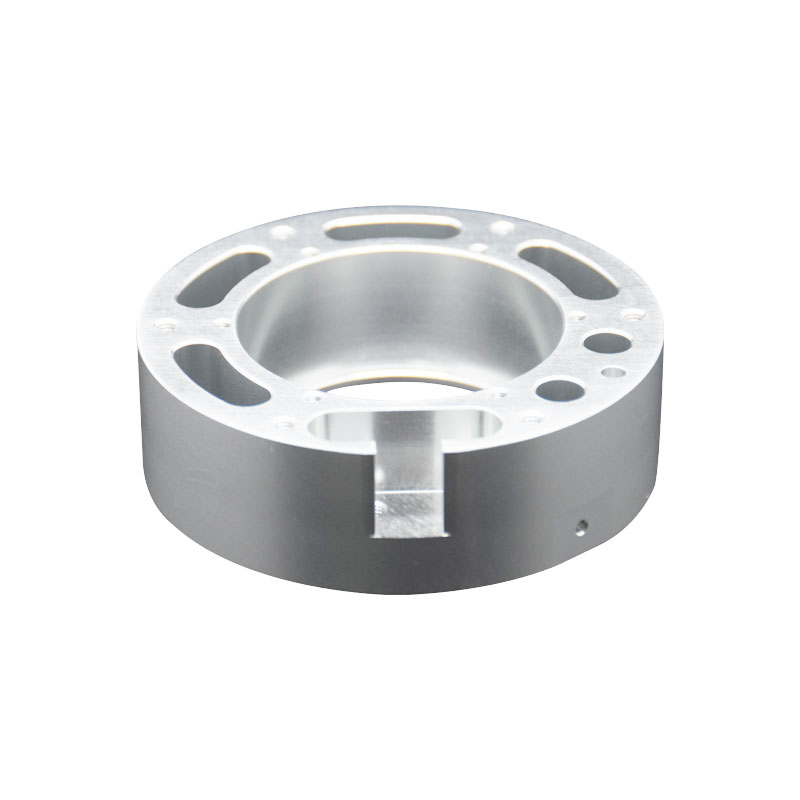
The machining program is the core of CNC machining, which contains information such as machine tool action instructions, cutting parameters, and cutting paths. The preparation of processing program requires the use of CAM (Computer-aided manufacturing) software to convert product design documents into processing programs. When writing machining programs, it is necessary to consider factors such as the cutting performance of materials and the rationality of processes to ensure the efficiency and quality of the machining process.
Then, perform machine tool clamping and tool clamping
Before CNC machining, it is necessary to clamp the workpiece onto the machine tool and select a suitable tool for cutting. Machine tool clamping is the process of fixing a workpiece onto the machine tool, which requires consideration of the shape, size, and processing requirements of the workpiece. Tool clamping is the process of installing the tool on the machine tool, which requires selecting the appropriate tool type and specification, as well as the correct installation method. The accuracy and stability of machine tool clamping and tool clamping have a significant impact on machining accuracy and efficiency, so careful adjustment and inspection are necessary.
Next, proceed with the machining operation
After the machine tool clamping and tool clamping are completed, CNC machining operations can begin. The operator inputs the prepared machining program into the CNC machine tool controller, and then, through the controller's instructions, the machine tool cuts according to the path and speed specified in the program. During the machining process, operators need to monitor the machining status and adjust cutting parameters and tools in a timely manner to ensure machining quality and efficiency.
Finally, perform machining inspection and trimming
After completing CNC machining, it is necessary to inspect and repair the machined parts. Inspection can be carried out through measuring tools and equipment to detect size, shape, and surface roughness, in order to verify whether the processed part meets the requirements. Trimming is the process of trimming, grinding, or polishing a workpiece to eliminate potential machining defects and improve the accuracy and surface quality of the workpiece.
In summary, the CNC machining process includes designing and developing machining processes, writing machining programs, clamping machine tools and cutting tools, machining operations, as well as machining inspection and repair. Each step requires accurate operation and strict control to ensure the efficiency of the processing process and the quality of the processed parts.